Best Odds Guaranteed in UK Horse Racing: How Much Does BOG Really Add?
 Available in US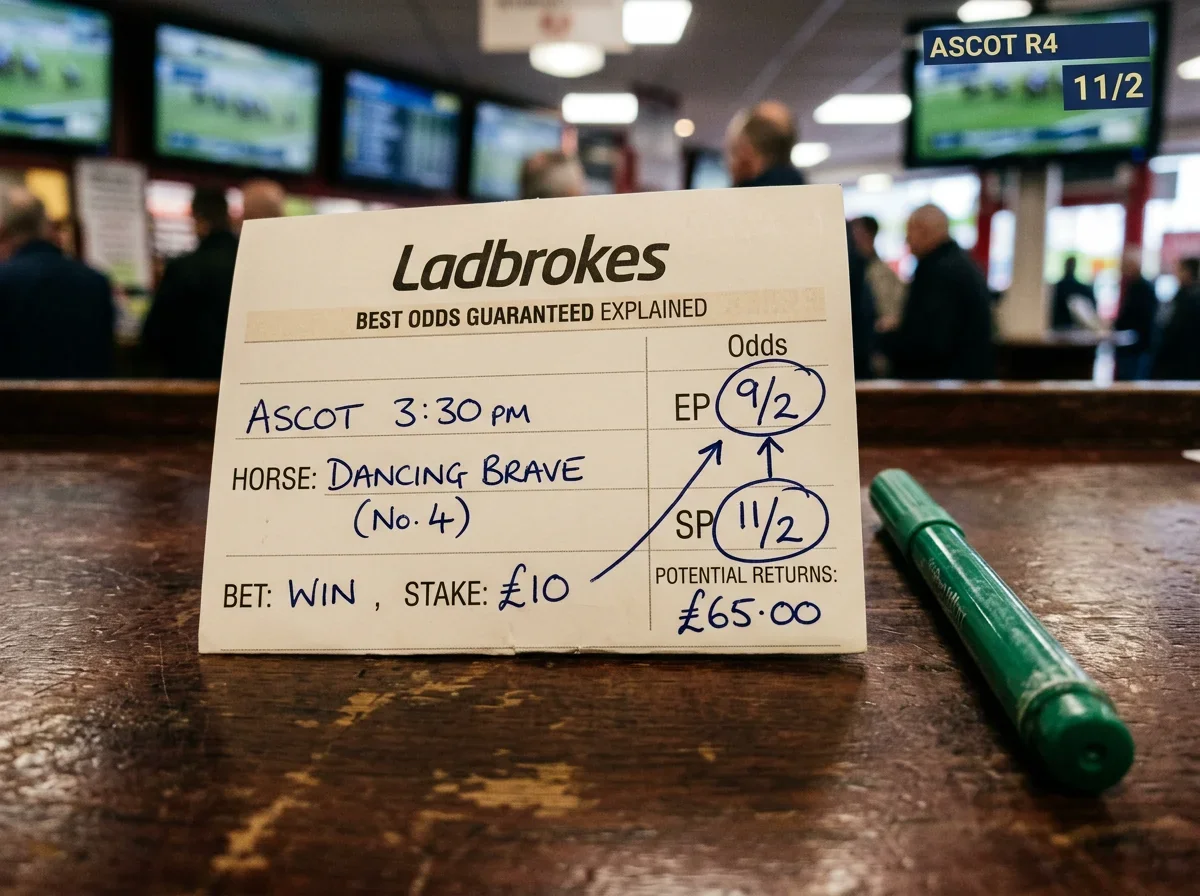
The Insurance That Most Punters Misunderstand
The first time someone explained BOG to me properly was in a betting shop in Banbury in 2017. I had backed a 5/1 shot in a morning handicap, watched the price drift to 7/1 by the off, and was busy cursing my luck when the shop assistant told me — almost in passing — that the bookmaker would pay me the bigger price if the horse won. I had taken the bet under BOG terms without realising it.
That moment changed how I approached every early-market bet I have placed since. Best Odds Guaranteed is not a frill, and it is not the marketing gimmick most casual punters assume. It is insurance against price drift, structured as a one-way payout that costs the bookmaker money in aggregate and adds a measurable annual lift to disciplined punters. The catch is that it only works if you understand the rules, the cut-off times and the restrictions that have crept in over the last two years.
Discover everything about best bet in horse racing here.
How BOG Actually Works
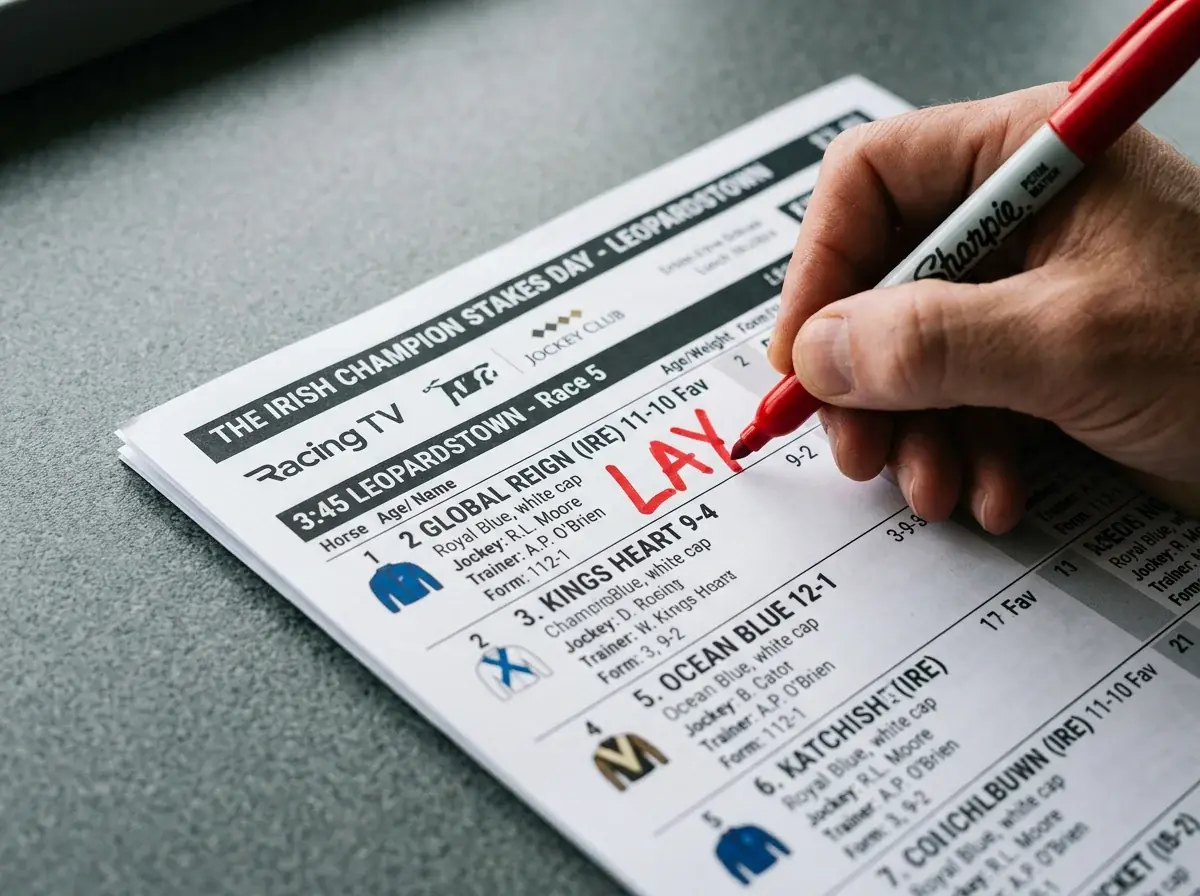
The mechanic is simple to state and weirdly hard to internalise. You back a horse at any price the bookmaker offers — early board price, mid-morning shouted price, anything before the off. The bookmaker promises that if your horse wins, they will pay out at whichever is greater: the price you took, or the starting price returned by the racecourse.
The starting price is a consensus figure calculated from the on-course bookmaker market in the minutes immediately before the race begins. It is the official “market” price of the horse at the moment of the off. If your horse drifts in the betting — meaning fewer people back it as the race approaches, and the SP returns higher than the price you took — BOG pays you the higher SP. If your horse steamers (shortens), you keep the bigger early price you locked in. Either way, you get the better of the two.
What you do not get is the better of the two on losers. BOG is a payout-only mechanic. The drift on a losing bet costs the bookmaker nothing, because there is no payout to top up. This asymmetry is the whole reason BOG is profitable for the punter who uses it correctly — every winning ticket gets the upside, every losing ticket is simply a losing ticket.
The Cut-Off Times That Trip People Up
BOG used to apply to almost any bet placed before the off. Those days are over. The modern UK BOG market is heavily fenced, and the fences are placed in ways that catch out punters who have not read the small print.
The most common restriction is a morning cut-off. Most major books only apply BOG to bets placed from 08:00 on race day onwards. Bets placed the night before, or ante-post, do not qualify. The rationale is that ante-post markets carry too much non-runner exposure for the bookmaker to hedge, and BOG on those bets would be uneconomic.
The second restriction is bet type. BOG typically applies to single win bets on UK and Irish racing. Each-way bets are sometimes covered on the win portion only. Accumulators, system bets and forecasts are usually excluded. Some books extend BOG to greyhounds; others limit it to horseracing only.
The third restriction is market type. Standard win markets qualify. Outright markets, antepost specials, prop markets and enhanced odds offers usually do not. The pattern is consistent: BOG covers the bread-and-butter race-day single bet. Anything more exotic falls outside the promotion.
One trap worth flagging specifically. Some books advertise BOG but only apply it automatically after you opt in to the promotion within your account settings. If you have never clicked the toggle, the promotion is not running on your account even when the marketing implies it is. Check the settings panel before placing your first BOG-eligible bet of the season.
The Real ROI Lift
BOG adds roughly 5–10% to annual profitability for punters who use it consistently across UK racing. That is the industry consensus figure, and it lines up with my own tracking across several seasons.
The mechanism is worth understanding. On any given race, the market moves between your bet and the off. For a typical UK race-day book, drifters slightly outnumber steamers in the morning market — partly because of late-confirming non-runners affecting the book, partly because of how SP-derivation maths interacts with early on-course money. A small but persistent share of horses you back early will drift between your bet and the off. On winners, BOG captures that drift as additional return. On losers, the drift does not matter.
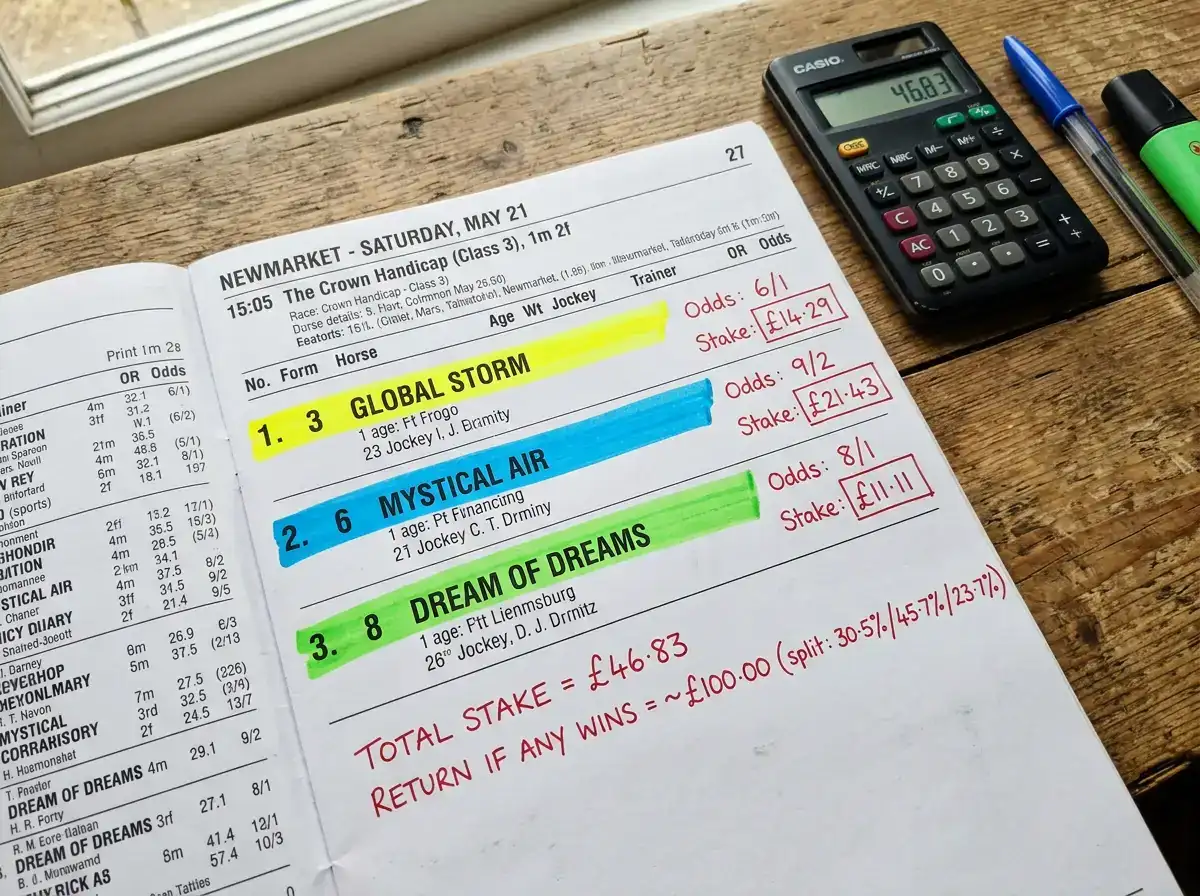
Translate the maths. If 30% of your bets win, and on average the SP of those winners is 8% higher than the price you took (because some drift, some steam, and the drifters add more upside than the steamers cost you when you locked in early), then 30% × 8% = 2.4% lift on every pound staked. Over a year of regular punting, the compounding effect lands you in that 5–10% annual-profitability range.
This is also why bookmakers have quietly tightened BOG eligibility across 2025 and into 2026. The promotion costs them real money. Bet365 alone paid out more than £50 million on BOG-related payouts during the Cheltenham Festival 2026 — and that is a single four-day meeting. Multiply across the calendar and BOG becomes a meaningful line item on a bookmaker’s P&L. The tightening of cut-off times and the gradual exclusion of certain account types from BOG is not coincidence. It is response to the actual cost of running the promotion against punters who use it well.
BOG at the Festivals
Festival weeks are where BOG visibly shifts the maths. Cheltenham, Aintree’s National meeting, Royal Ascot, the Cheltenham November Meeting — these weeks see concentrated punter activity and substantial morning price movement on the headline races.
The mechanism is straightforward: festival races attract serious money in waves throughout the morning. Early prices reflect overnight informed money; mid-morning prices respond to public coverage and Racing Post features; late prices reflect on-course flows and stable confirmations. A horse can move several points between 08:00 and 14:30 on Gold Cup day. BOG captures the upside of that movement when your selection happens to drift between your bet and the off.
This is one of the few places I will say something close to a rule: if you are betting a festival race and you have a strong opinion early, take BOG-eligible prices in the morning rather than waiting for the off. The marginal value of locking in early — combined with the BOG safety net if the horse drifts — almost always beats the alternative of taking SP, where you have no insurance and no opinion-locked price advantage.
The reason the bookmaker tolerates this asymmetry is, paradoxically, the casual market. As Nevin Truesdale put it bluntly when defending the wider regulated betting market, “The Gambling Commission seems to want to reduce gambling to just small-stakes gamblers and that can’t be right.” BOG is a casual-market acquisition tool. The fact that informed punters extract genuine value from it is a side effect, not the design intent — which is why the design has been getting tighter.
Limits, Restrictions and the Quiet Withdrawal
BOG is not what it was three years ago, and pretending otherwise sets up the wrong expectations. Several major UK books have either withdrawn BOG entirely for new customer cohorts, restricted it to particular customer segments, or quietly applied stake-factoring to BOG-eligible bets from accounts they have flagged as value-seeking.
The pattern is consistent. Affordability checks and the broader regulatory tightening — including the £150 monthly threshold introduced in February 2025 — have squeezed bookmaker margins on the casual market, and the response has been to economise on promotions where serious punters extract value. BOG is the cleanest target because the economics are visible: every £ of BOG payout maps directly to a winning ticket that could have been settled at SP.
What this means in practice. New accounts often get full BOG for a defined period — three months, six months, sometimes a full year — and then quietly transition to a reduced version. Stake-factored accounts may continue to receive BOG-eligible terms but at restricted maximum stakes that cap the absolute payout. Some accounts are switched to “early price guarantee” instead of full BOG, which pays the better of your taken price or board price — but not SP, which is usually the better of the three.
The practical response is the one I have used for years. Maintain two or three accounts, use BOG-eligible early prices on the books that still honour the promotion in full, and accept that any single account will eventually have BOG quietly stripped from it. This connects directly to the wider question of how to extract value from the modern UK market without depending on a single bookmaker — a discussion I unpack in more detail in the exchange as an alternative to bookmaker markets, where the BOG question simply does not exist because the price is what it is at the moment you take it.
The Net Verdict on BOG
Best Odds Guaranteed remains the single most valuable mainstream promotion in UK racing for punters who bet ahead of the off rather than at SP. The annual lift of 5–10% is real, the maths is sound, and the asymmetric structure — payout on winners, no penalty on losers — is genuinely punter-favourable rather than dressed-up house-edge.
Check out our guide on Betfair Exchange for UK Horse Racing: Backing, Laying and Why It Matters as well.
The qualifications matter. Read the cut-off rules for each book you use. Confirm the promotion is enabled on your account. Watch for the gradual withdrawal of BOG from accounts the bookmaker has decided are too sharp. And accept that the version of BOG available in 2026 is narrower than the version that existed even two years ago. Inside those limits, BOG is still the closest thing to free money the UK racing market offers — and it is hidden in plain sight on every race-day bet you place.
Does BOG apply to ante-post bets?
Almost never. The standard restriction across UK books is that BOG only applies to bets placed from 08:00 on race day onwards, which excludes ante-post entirely. The reason is non-runner exposure — ante-post bets often lose stakes when horses withdraw, which already gives the bookmaker an edge they are unwilling to combine with BOG insurance. A small number of ante-post markets occasionally carry an enhanced-odds offer that functions similarly, but it is not the same product, and the terms vary race-by-race.
Which bookmakers still offer BOG in 2026?
The major established UK books continue to offer BOG on UK and Irish racing, though several have tightened the terms over the last two years. New customer cohorts typically get full BOG for an introductory period before transitioning to reduced versions. Affordability-related cost pressure has pushed some operators to apply stake-factoring to BOG-eligible bets from accounts flagged as value-seeking. Maintaining two or three active accounts and rotating BOG bets across them remains the standard approach for punters who want to keep the edge available.
Created by the ”Best bet in Horse Racing” editorial team.