Royal Ascot Betting Tips: Flat Racing’s Five-Day UK Showcase
 Available in US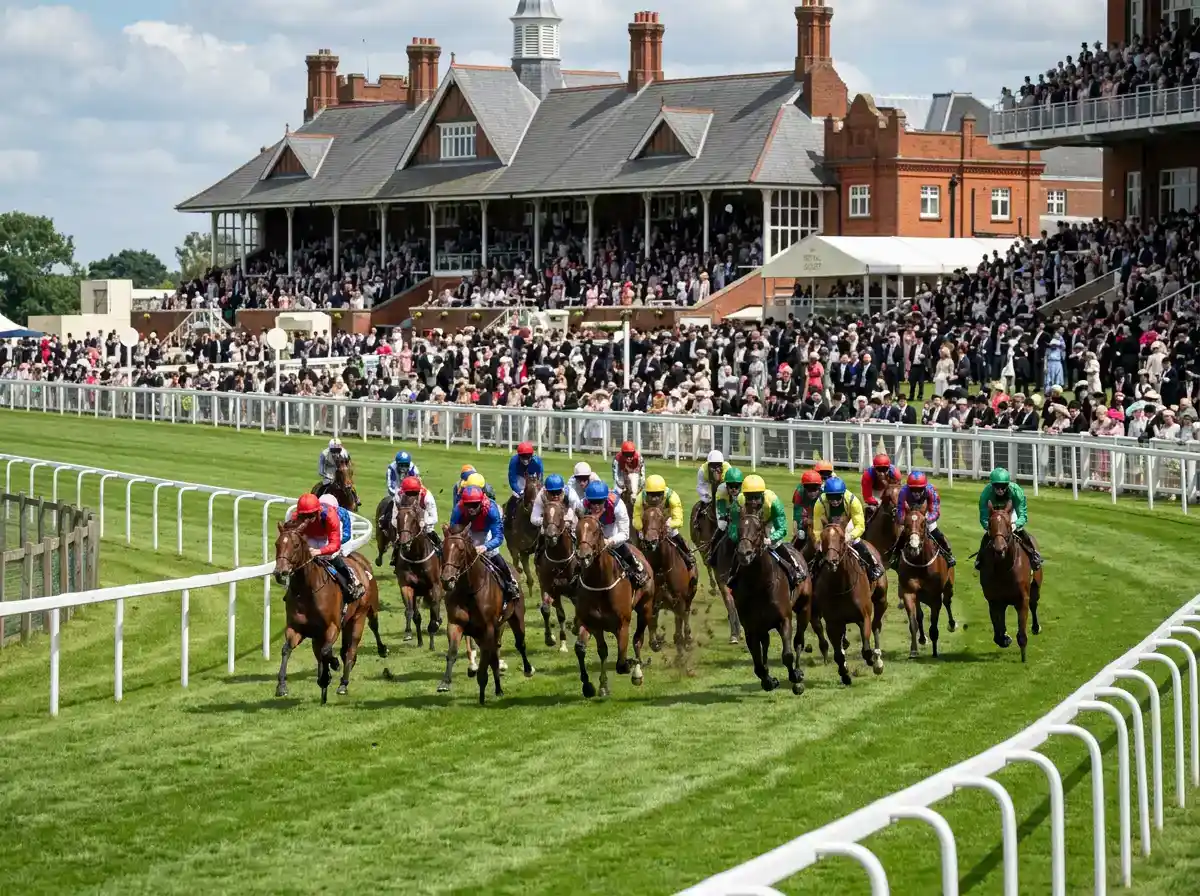
The Meeting Where Casual Money Distorts Everything
The first Royal Ascot I bet seriously was 2018, and within an hour of the Tuesday opening I noticed something odd in the prices. Horses I had rated as fair-value 7/1 shots were trading at 5/1. The favourites I had marked as overpriced at 9/4 were going off at 7/4. The whole market was compressed at the top compared with any normal Wednesday at Newmarket — and the compression was not random. It was reflecting the five million television viewers who watch Royal Ascot on ITV each year, pouring casual money onto the visible names.
That distortion is the structural feature of the meeting. Royal Ascot is the flagship of the UK flat-racing calendar, and the casual betting handle on its races is several times larger than on equivalent races at other times of the year. Where casual money flows, prices compress. The serious work at Ascot is identifying where that compression has gone too far and where the value has therefore been pushed elsewhere.
Learn more about best bet in horse racing on our main page.
The Five Days at a Glance
Royal Ascot runs Tuesday to Saturday in the third week of June. Six or seven races per day, including a Group 1 race on most days and a major handicap on most days. The meeting features more Group races than any other UK fixture — typically eight or nine Group 1s, Group 2s and Group 3s across the week — and the handicaps it hosts are among the most competitive in UK racing.
Tuesday opens with the Queen Anne Stakes, the King’s Stand Stakes and the St James’s Palace Stakes among the headliners. Wednesday features the Prince of Wales’s Stakes and the Royal Hunt Cup, the latter being one of the most competitive mile handicaps of the year. Thursday is Ladies’ Day with the Gold Cup over two and a half miles, a stamina test in a meeting otherwise dominated by speed and middle-distance racing. Friday includes the Commonwealth Cup and the Coronation Stakes. Saturday culminates in the Diamond Jubilee Stakes and the Wokingham, the latter a massive six-furlong sprint handicap.
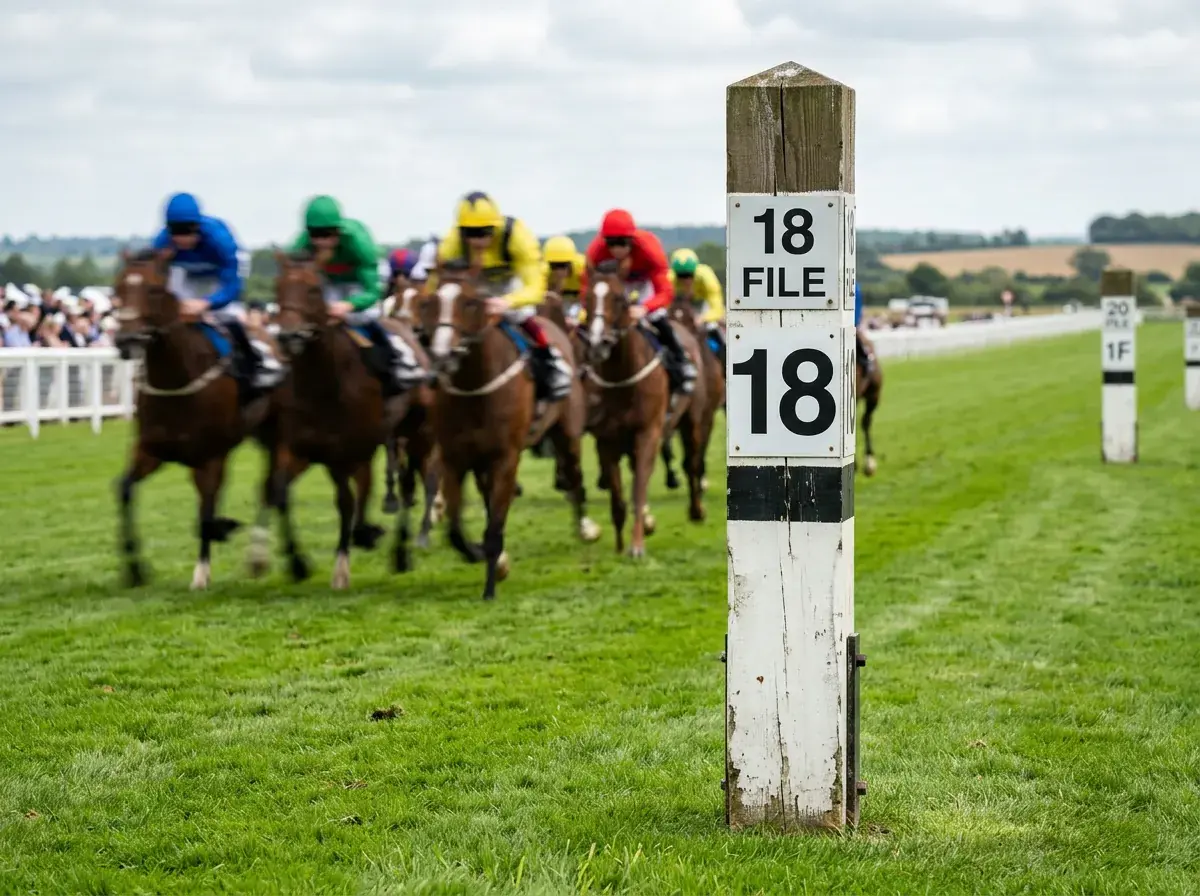
The course at Ascot is unusual. The straight mile runs uphill to the line, separating from the round course at the entry to the home straight. This split creates two distinct racing surfaces within the same meeting, and the draw effects on the straight course in particular are stronger than at most UK tracks. The course’s quality of going is among the best-maintained in UK flat racing, partly reflecting the £60 million BHA spokespeople have cited as invested into research, veterinary science and equine health since the year 2000 — investment that supports the high-class surface racing at Ascot relies on.
Reading Group Race Form Lines
Group 1 races at Royal Ascot are populated by horses who have already won at the highest level elsewhere — Newmarket, the Curragh, Longchamp, Deauville. Form lines come from a small pool of European Group meetings during the spring, and the analysis is more about translating recent runs into the specific demands of Ascot than about identifying unknown horses.
The factors that matter most. Ground preference is often the dividing line between horses who look interchangeable on form: Ascot in mid-June can produce ground anywhere from good to firm to good to soft, and a horse whose best form is on firmer ground may be vulnerable if rain has softened the going. Trip suitability matters more than people realise, particularly in the seven-furlong and one-mile races where the Ascot finish exposes any stamina weakness. Trainer recent form is a real factor at the meeting — a handful of yards produce disproportionate festival winners, while others struggle every year despite high stable strike rates the rest of the season.
The market in the Group 1s tends to be efficient. Most credible angles get analysed and priced. Value usually appears in two places: horses with genuine credentials whose recent campaign has been disrupted by ground or trainer plans, and overseas horses whose form lines the UK market reads imperfectly. French-trained sprinters and Japanese middle-distance horses are recurring profiles where the UK market sometimes underprices.
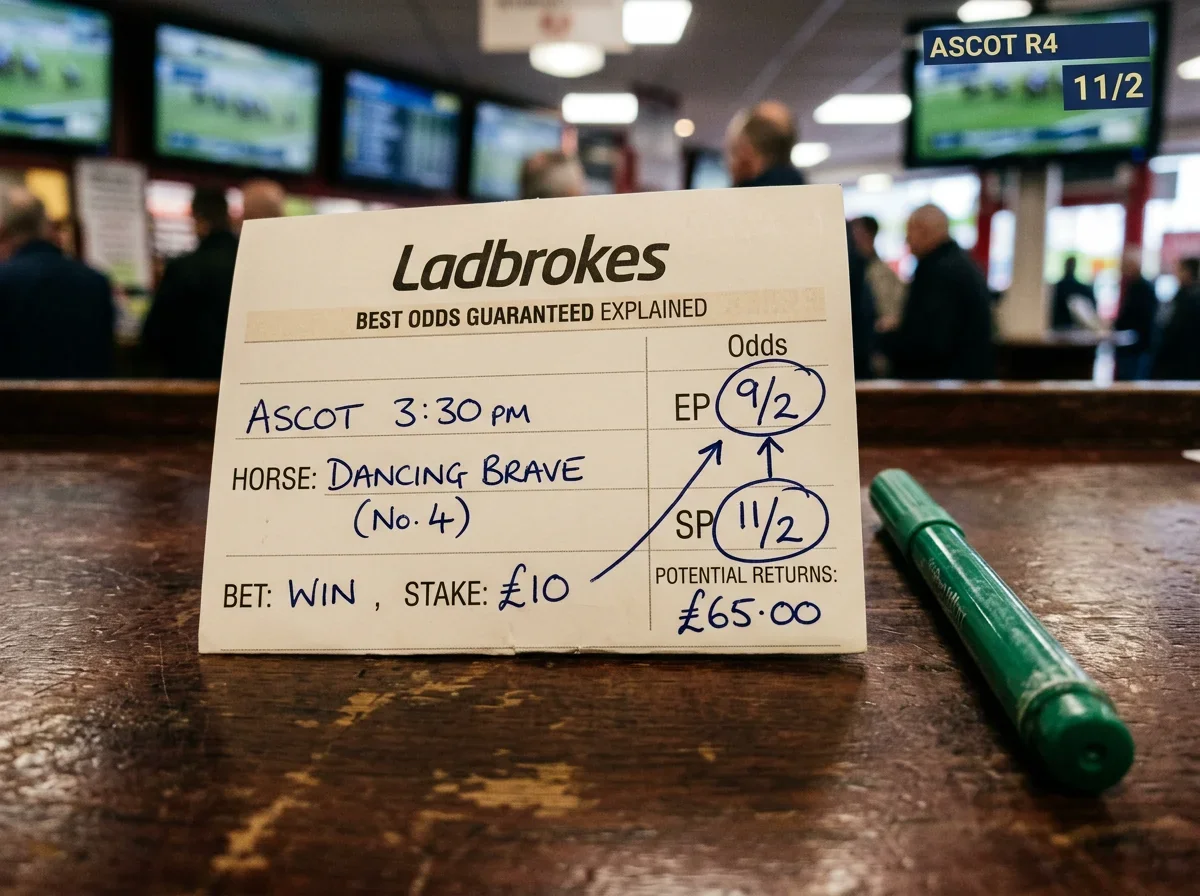
One useful discipline at the Group races: never bet the favourite in the morning. Group 1 favourites at Royal Ascot shorten through the morning as casual money piles in, and the SP is often the same price or longer than what was available at 09:00. If you have an opinion on a Group 1 favourite, take it at SP rather than chasing the early price.
Where the Handicap Value Lives
The handicaps are where Royal Ascot becomes most interesting analytically. The Royal Hunt Cup, the Britannia, the Wokingham, the Buckingham Palace, the Sandringham — these are 24 to 30-runner mile and sprint handicaps where the BHA handicapper has tried to balance the field across a single tight rating range.
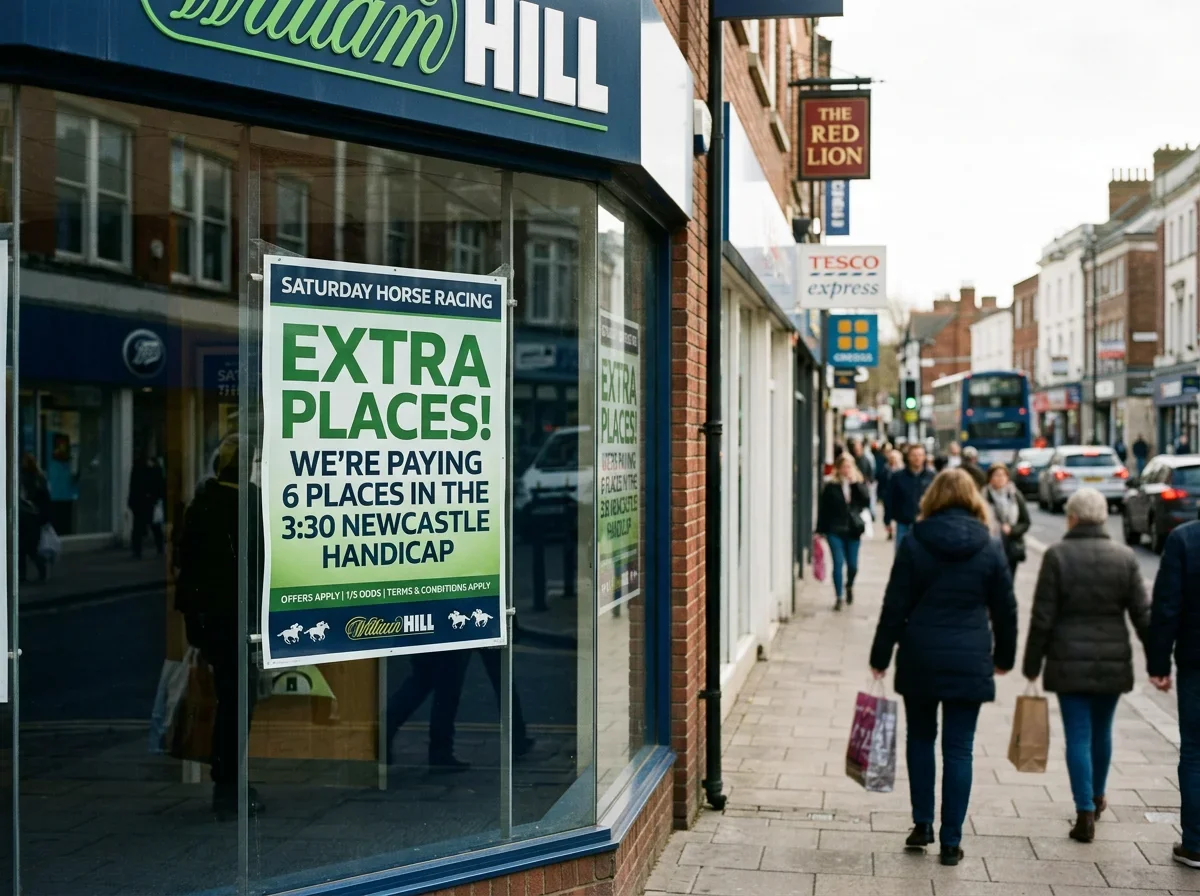
The variance is enormous. Field sizes this large produce a finishing distribution where any single selection’s win probability is in the low single digits. Place markets are kinder — extended place coverage at the meeting often pays six, seven or eight places — and each-way structures with the available promotions are usually the more productive route into these races than win-only stakes.
What separates handicap value from handicap noise. Recent course form at Ascot specifically — horses who have run well at the track before usually outperform horses with comparable ratings but no Ascot experience. Trip and ground combinations that have produced the horse’s best previous performances. Trainer recent form, with the meeting itself often a target the trainer has been planning for through the spring. Horses dropping in trip or going up in trip to a distance their pedigree suggests they should handle but their racecourse experience has not yet tested.
The casual money piles into recognisable names — last year’s Royal Ascot winner reappearing, horses from famous yards, horses with high-profile jockeys booked. The structural value is usually in mid-handicap horses with strong recent form at other tracks who do not feature in the casual narrative. Backing them each-way at extra-place terms is the strategy that compounds across the week.
Draw Bias on the Straight Course
The straight mile at Ascot is one of the strongest draw-biased tracks in UK racing. The phenomenon varies depending on going, field size and the specific race, but the underlying pattern is consistent: in large-field sprint and mile races on the straight course, runners drawn either at the very low or very high end of the stalls outperform middle draws.
The mechanism is the camber and watering pattern of the straight course. The ground favours one side or the other depending on weather conditions in the weeks before the meeting, and field-size-induced bunching pushes horses toward the rails. The combined effect is that horses with awkward middle draws often struggle to find clear running, while horses on the rails — either side — can navigate cleaner ground and clearer racing lines.
The Lingfield-style data on draw is the cleanest comparison. Lingfield has shown 50% favourite win rates in the past year on its turf and all-weather configurations, the highest course favourite strike rate in UK racing — partly because the track’s structure favours predictable racing patterns that match market expectations. Ascot’s straight course is less consistent week-to-week but more pronounced when the bias is active, which is most of Royal Ascot week given the field sizes the meeting runs.
The practical application. Check the going-stick reading on the morning of each day, watch the first few straight-course races for which side is dominating, and adjust draw weighting accordingly. A 24-runner sprint handicap where the first three winners have all come from low single-digit stalls is telling you something the morning market has not fully absorbed. Backing horses from the favoured side of the draw at value prices is the recurring edge across the week.
The TV Audience Effect on Prices
The Royal Ascot meeting draws around five million ITV viewers each year, with viewership in the final day climbing 20% in recent reporting. This is the largest casual betting audience for any flat racing meeting in the UK calendar, and the price effects are predictable and measurable.
Casual money concentrates on three things: the favourite in each race, well-known horses returning to the meeting, and horses ridden by high-profile jockeys. The cumulative effect is to compress prices at the top of each market and inflate prices on outsiders the casual market has not heard of. The compression is most visible on Tuesday morning, when the week’s excitement is building and casual punters are placing their initial bets, and it intensifies as television coverage builds through the day.
The implication for the disciplined punter. Value at Royal Ascot lives in two places: lay positions on overhyped favourites whose price has compressed below their true win probability, and back positions on outsiders the casual market has overlooked. The exchange is the natural venue for both — laying short prices on the betting exchange avoids the bookmaker overround that makes the same lay position uneconomic at retail, and backing outsiders at the cleaner exchange prices captures the premium that bookmaker margins consume.
Use the casual-money effect rather than fight it. The market will compress the favourites whether you participate or not. The question is whether you are on the side of the compression — buying at compressed prices and losing — or against it. The work earlier in the week, at course-specific draw bias and stall number effects, sits at the analytical core of identifying where the casual market has mispriced based on factors it does not weight properly.
The Five-Day Approach That Works
Royal Ascot rewards selective engagement rather than continuous betting. Pick three to five races per day where your analysis identifies genuine edges. Pass the rest. Run each-way structures on the speculative handicap selections with extra-place coverage. Take BOG-eligible morning prices on Group race selections with conviction. Avoid the very short favourites unless your form analysis specifically supports them — the compression effect makes them structurally poor value. And track the draw bias from race to race within each day, adjusting your selections as the day’s pattern becomes visible.
\You may also find Sectional Times in UK Horse Racing: Finding Hidden Performance interesting.
The meeting concentrates so much of the year’s flat-racing prestige that the temptation to over-engage is the most expensive single mistake a punter can make in June. Treat it as five separate days of selective work, and Royal Ascot produces meaningful returns. Treat it as a week-long excitement event, and the casual-money effect that compresses every favourite price you take will quietly drain your bankroll across five days you barely remember by the time the Wokingham finishes on Saturday evening.
Does the draw really matter at Royal Ascot?
Yes, particularly on the straight course in large-field handicaps. The bias varies depending on going, field size and race-specific factors, but the underlying pattern is that the middle of the stalls outperforms in some seasons and underperforms in others, while one side or the other of the straight course consistently shows an edge depending on the watering and weather conditions of the week. The practical approach is to watch the first few straight-course races each day for which draw is winning, then adjust your selections accordingly. Ignoring draw at Ascot costs more than ignoring it at most other UK tracks because field sizes there are larger and the bias is more pronounced.
Are favourites overbet during Royal Ascot week?
On most short-priced favourites, yes. The meeting draws around five million ITV viewers and a casual betting handle several times larger than equivalent flat racing weeks elsewhere on the calendar, and casual money concentrates on the visible favourites in each race. The result is price compression at the top of the market that makes short-priced favourites structurally poor value. The exception is genuine standout horses in Group 1 races, where the favourite’s true win probability may match the compressed price. As a general rule, treat Royal Ascot favourite prices with more scepticism than equivalent prices at less televised meetings.
Written by the editors at Best bet in Horse Racing.